
Fall Prevention at Home is not about expensive equipment or complicated medical care. It is about recognizing everyday risks and fixing them before they cause serious injury. In Pennsylvania, falls are one of the leading reasons older adults lose independence, experience hospitalization, or require long-term care. The good news is that many falls are preventable with simple, practical changes at home.
This guide focuses only on what truly matters real risks, real solutions, and actions families can take today.
Why are falls at home such a serious risk for seniors?
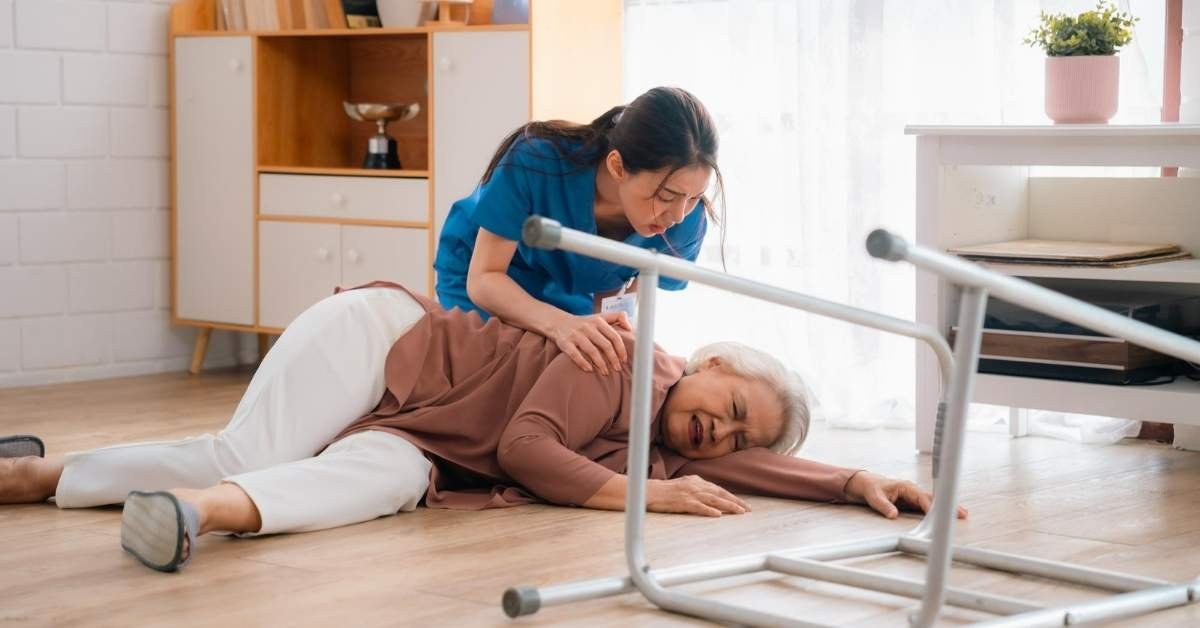
Falls are not minor accidents for older adults. As people age, bones become weaker, balance changes, and reaction time slows. A single fall can lead to fractures, head injuries, loss of mobility, and fear of moving around the home.
In Pennsylvania homes, most falls happen during normal daily activities such as walking to the bathroom, standing up from a chair, or reaching for common items. This is why fall prevention must focus on daily routines, not rare emergencies.
How do most falls at home actually happen?
Falls usually happen because of a combination of physical changes and unsafe home conditions. Reduced strength, poor balance, vision problems, and medication side effects all increase risk. When these issues meet loose rugs, poor lighting, cluttered walkways, or slippery bathrooms, falls become far more likely.
Many families assume falls are “just part of aging,” but in reality, they are often the result of fixable hazards.
What simple home changes can prevent falls?
How can floors and walkways be made safer?
Clear walking paths are one of the most effective fall prevention steps. Furniture should be arranged to allow easy movement, and cords or clutter should never cross walking areas. Rugs should be removed or secured with non-slip backing, especially in high-traffic areas.
Even small changes, such as ensuring shoes are stored properly and not left on the floor, can significantly reduce fall risk.
How does lighting help prevent falls?
Poor lighting makes it difficult to see obstacles, steps, or changes in floor level. Seniors often fall at night when moving between the bedroom and bathroom.
Bright, consistent lighting in hallways, stairways, bathrooms, and entrances helps prevent missteps. Nightlights in bedrooms and bathrooms are especially important for overnight safety.
Why is the bathroom the most dangerous room?
Bathrooms combine water, hard surfaces, and limited space, making them one of the highest-risk areas for falls. Wet floors and unstable movements while bathing or using the toilet are common causes of injury.
Installing grab bars near toilets and inside showers, using non-slip mats, and ensuring stable shower chairs are in place can dramatically reduce risk without changing daily routines.
How do strength and balance affect fall prevention?
Can physical weakness increase fall risk?
Loss of muscle strength is a major contributor to falls. When legs and core muscles weaken, standing, walking, and correcting balance become harder.
Gentle daily movement, light stretching, and strength-focused activities approved by a healthcare provider help maintain mobility. Home care professionals often assist seniors with safe movement and daily activity to reduce fall risk over time.
Does balance decline with age?
Balance naturally changes with age, but sudden or severe balance problems should never be ignored. Dizziness, unsteady walking, or frequent near-falls are warning signs.
Early support such as supervised movement, assistive devices, or caregiver monitoring can prevent a serious fall before it happens.
How can medications and health conditions increase fall risk?
Many seniors take multiple medications, and some can cause dizziness, low blood pressure, or drowsiness. These side effects significantly increase fall risk, especially when standing up quickly or walking at night.
Regular medication reviews with a healthcare provider help identify drugs that may increase fall risk. Managing chronic conditions such as diabetes, arthritis, or vision problems also plays a major role in fall prevention at home.
When does home care help with fall prevention?
Home care is not only for advanced needs. It is often most effective when introduced early. Caregivers help with safe movement, personal care, and monitoring daily routines that commonly lead to falls. They also notice small changes like increasing unsteadiness or confusion that families may miss.
For Pennsylvania families, home care can act as a safety layer that prevents a fall from becoming a life-changing event.
What is the key takeaway for Pennsylvania families?
Fall Prevention at Home is about proactive action, not waiting for an accident. Small changes better lighting, safer bathrooms, clear walkways, and daily support can save lives, preserve independence, and reduce hospital visits.
If your loved one has already experienced a fall or seems unsteady, that is a signal to act now. Preventing the next fall is always easier and safer than recovering from one.