
Independence is more than the ability to live alone. It is the freedom to make daily choices, follow personal routines, and live with dignity. As people age or manage chronic conditions, maintaining that independence becomes harder but not impossible. The right home care support does not replace independence; it protects and strengthens it.
This is where structured, personalized home care becomes transformational.
1. Preserves Daily Routines
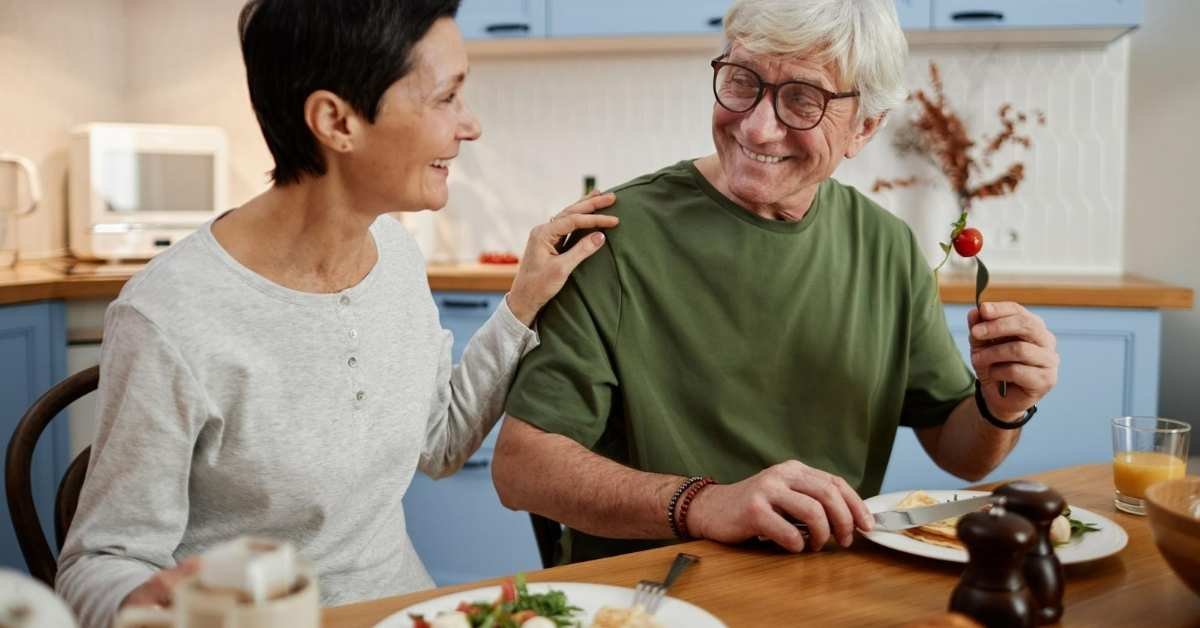
Familiar routines are the backbone of independent living. Waking up at the same time, cooking preferred meals, or following personal habits creates stability and confidence.
Home care allows individuals to remain in their own environment while receiving support tailored to their lifestyle. Staying in familiar surroundings reduces confusion, supports emotional security, and helps people function more confidently in daily life.
Rather than forcing people into institutional schedules, caregivers adapt to the individual protecting autonomy instead of disrupting it.
2. Personal Care Support Self-Sufficiency
Personal care is often misunderstood as dependency. In reality, it is structured assistance that enables people to do more for themselves.
Support with bathing, grooming, dressing, and mobility known as Activities of Daily Living (ADLs) directly affects a person’s ability to live independently. When these needs are safely supported, individuals maintain dignity and functional ability longer.
The goal is not substitution, but supported participation help where needed, independence where possible.
3. Medication and Health Management Strengthen Independence
Health instability is one of the fastest routes to lost independence. Medication reminders, chronic condition monitoring, and post-hospital recovery care stabilize health and prevent complications. With consistent oversight, individuals avoid hospital readmissions and maintain control over their physical well-being. Health management at home turns reactive care into proactive independence protection.
4. Home Safety Measures Prevent Loss of Independence
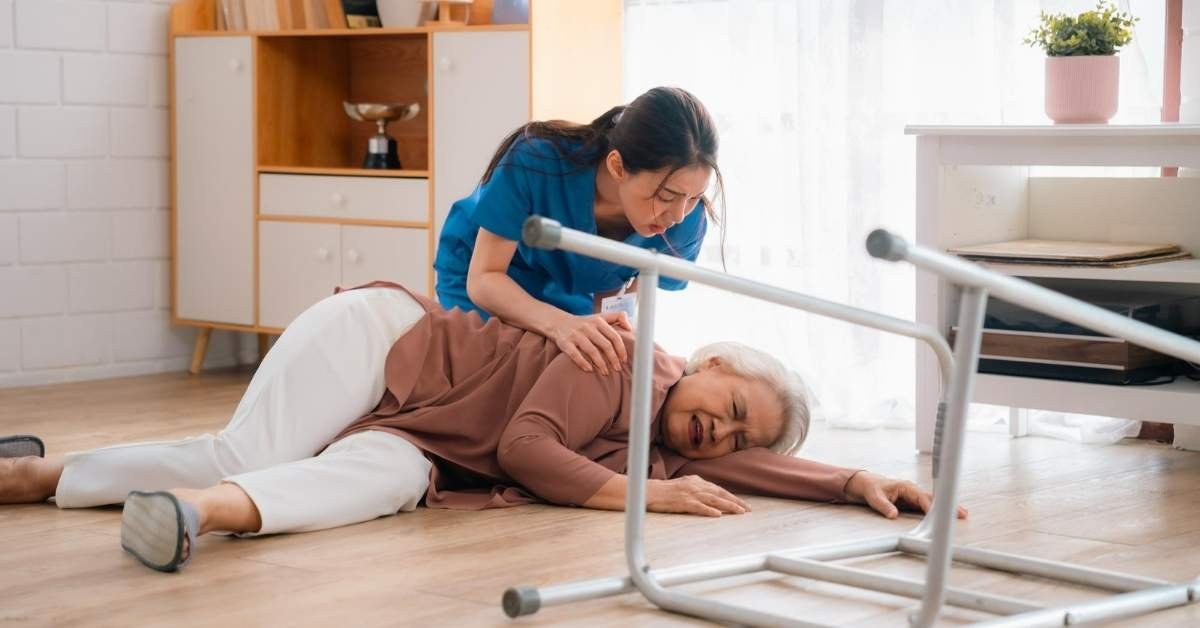
Falls and home hazards are leading causes of functional decline. Caregivers assess risks poor lighting, loose rugs, unsafe bathrooms and implement preventive solutions. Safety modifications and mobility assistance reduce accidents that often trigger permanent dependence. Independence is not only about ability it is about environment. A safer home sustains self-reliance.
5. Companionship Protect Emotional Independence
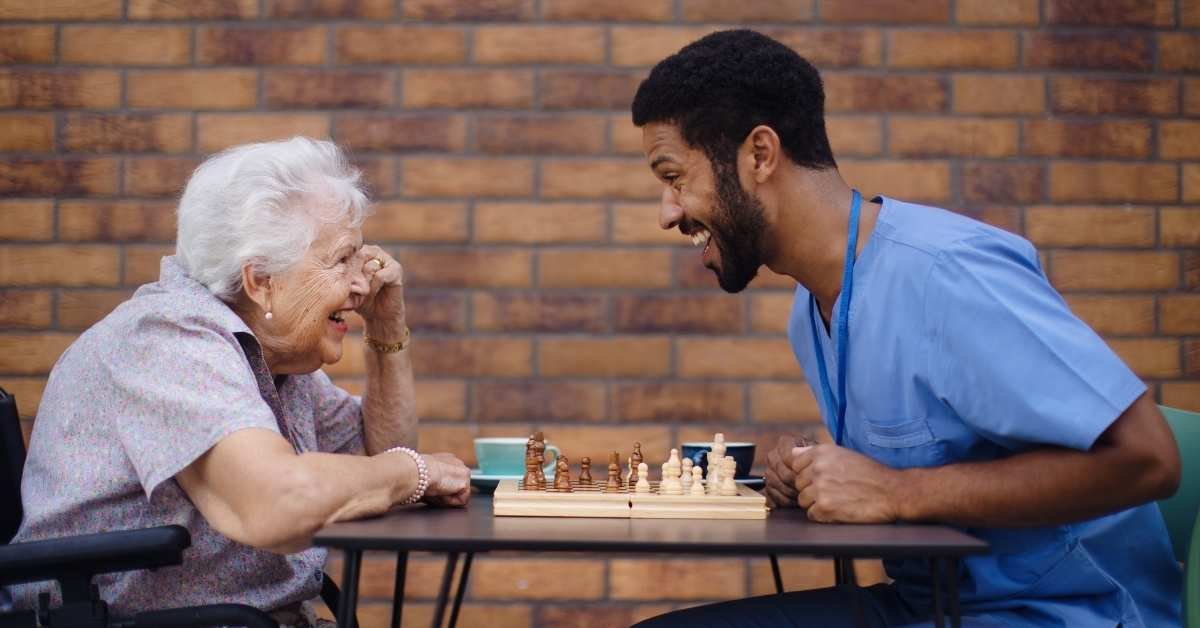
Isolation silently erodes independence. Regular companionship improves mental health, reduces depression, and keeps individuals socially engaged. Emotional stability directly influences motivation, cognition, and daily functioning. When people feel connected, they remain active participants in life not passive care recipients.
6. Flexible Care Scheduling Support Freedom of Choice
Institutional care often runs on rigid timetables. Independence requires flexibility. Home care schedules adjust to personal preferences meal times, sleep cycles, social activities. This adaptive structure preserves decision-making power and lifestyle control. Choice is the psychological core of independence. Flexible care protects it.
7. Strengthen Family Dynamics without Reducing Autonomy
Family caregiving alone often creates stress, role reversal, and emotional strain. Professional caregivers handle daily care tasks, allowing families to focus on emotional connection rather than physical responsibility. This balance preserves dignity for the care recipient and restores healthy family relationships. Independence is not isolation it is supported living within a stable support system.
Home care improves independence by combining assistance with autonomy. From daily routines and personal care to safety, health management, and emotional well-being, it builds a framework where individuals remain in control of their lives. The outcome is not just longer home living it is stronger dignity, confidence, and quality of life.
Independence does not disappear with age or illness. With the right care model, it evolves and continues.