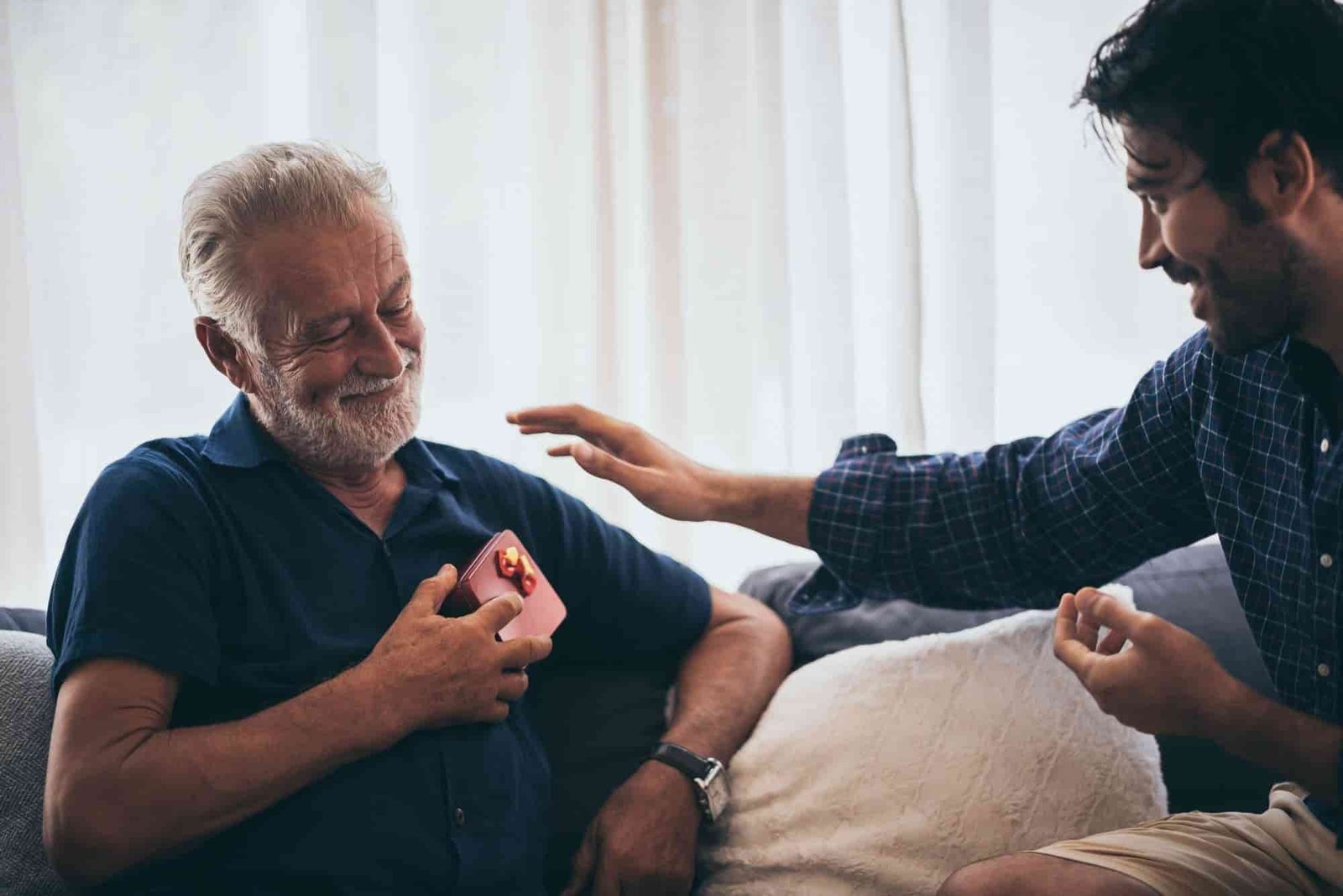

Aging is a journey that brings many changes physical, social, and emotional. For seniors in Pennsylvania, maintaining strong mental well-being for seniors is just as crucial as physical health. The emotional challenges of later life, such as loneliness, loss of independence, or managing chronic conditions, can significantly impact quality of life.
This is where professional Pennsylvania Home Care services step in. By providing compassionate, personalized support right in the comfort of a familiar home environment, home care offers a powerful solution for nurturing emotional health and ensuring seniors not only age in place but thrive in place.
The Silent Epidemic: Loneliness and Isolation
One of the most significant threats to Mental Well-Being for Seniors is social isolation. As social circles shrink due to loss of friends or reduced mobility, feelings of loneliness can lead to depression, anxiety, and even physical health decline.
Home Care Fights Isolation
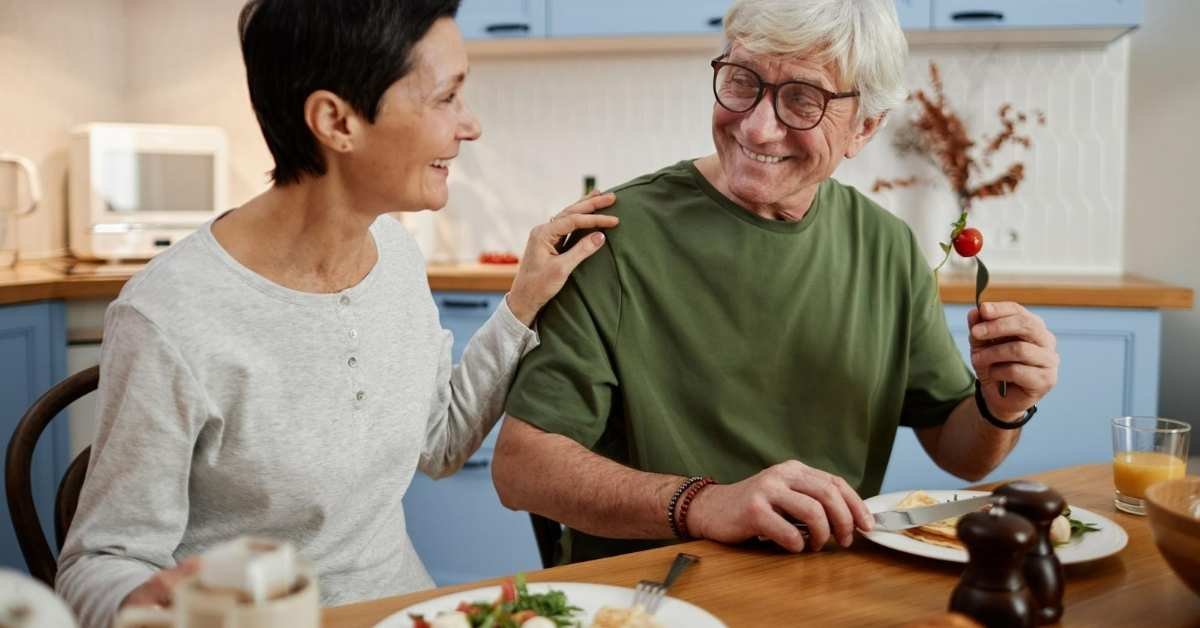
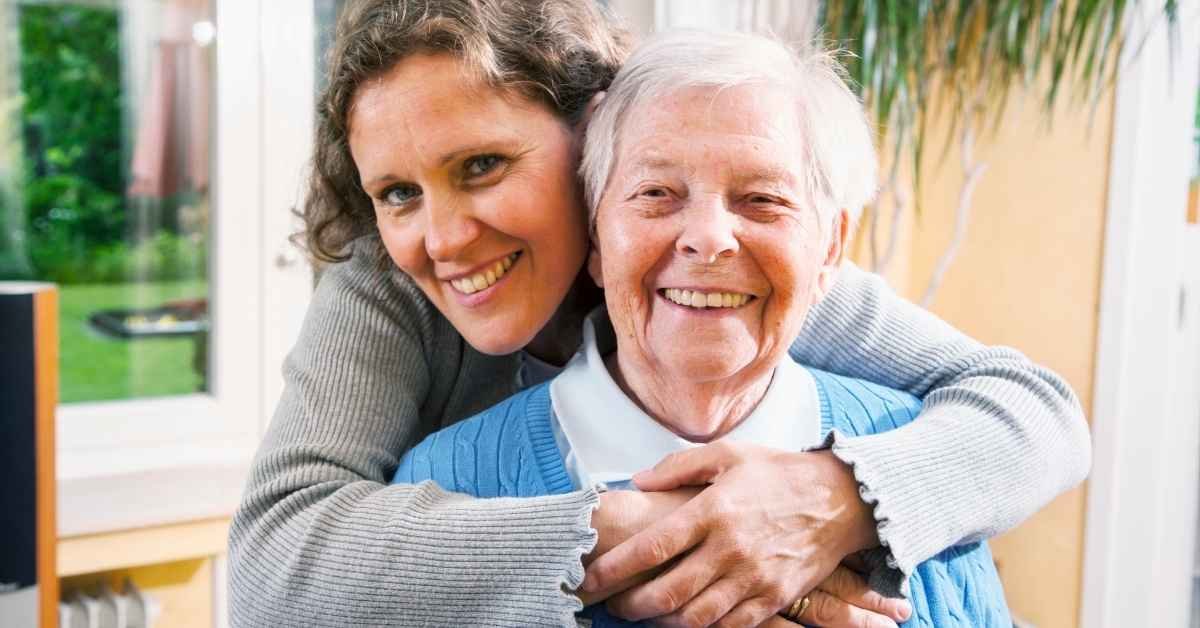
Consistent Companionship: A professional caregiver provides regular, friendly interaction. They are not just an assistant; they become a trusted companion who can share stories, engage in meaningful conversation, or simply offer a comforting presence. This daily connection is vital in combating feelings of being alone.
Encouraging Social Engagement: Caregivers can facilitate connections with the outside world. This might include safely accompanying a senior to community events, social clubs, or appointments, or helping them use technology to video chat with family and friends.
Restoring Independence and Self-Worth
Loss of the ability to manage daily tasks, such as cooking, cleaning, or personal hygiene, can lead to a significant blow to a senior’s dignity and sense of self-worth. This perceived loss of independence often correlates with increased depression.
Home Care Preserves Dignity
Respectful Assistance: Caregivers provide support with Activities of Daily Living (ADLs) like bathing, dressing, and grooming in a way that is discreet and respectful. By receiving this help at home, seniors retain control over their environment and daily routine.
Fostering Autonomy: Home care services are designed around the individual’s preferences. By helping seniors participate in their own care planning and complete tasks they still can (like folding laundry or working in the garden), caregivers reinforce a sense of purpose and control, which is essential for emotional health.
Stability, Structure, and Peace of Mind
Uncertainty about daily needs, like when meals will be prepared or if medications will be taken correctly, can cause significant stress and anxiety for seniors and their families.
Home Care Provides Stability
Structured Routine: A consistent daily schedule for meals, activities, and rest creates predictability. This structure is calming and reduces the anxiety that comes from uncertainty, especially for seniors dealing with cognitive changes.
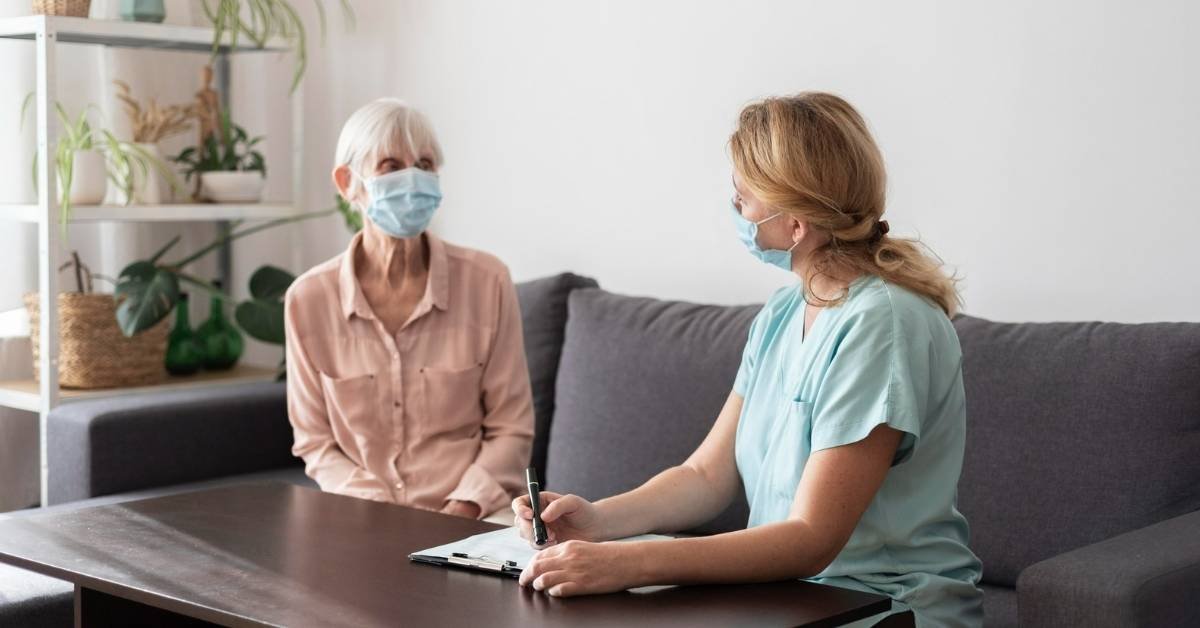
Medication Management: Caregivers provide crucial reminders and monitoring to ensure medications are taken on time and correctly. This reduces a major source of worry for both the senior and their loved ones, promoting a greater sense of security.
Safety and Security: Knowing a trained professional is present to prevent falls, respond to emergencies, and monitor health changes provides immense peace of mind, which is foundational to mental well-being.
Cognitive Stimulation and Engagement
A healthy mind is an active mind. Cognitive decline and depression can worsen when seniors stop engaging in mentally stimulating activities.
Home Care Encourages Activity
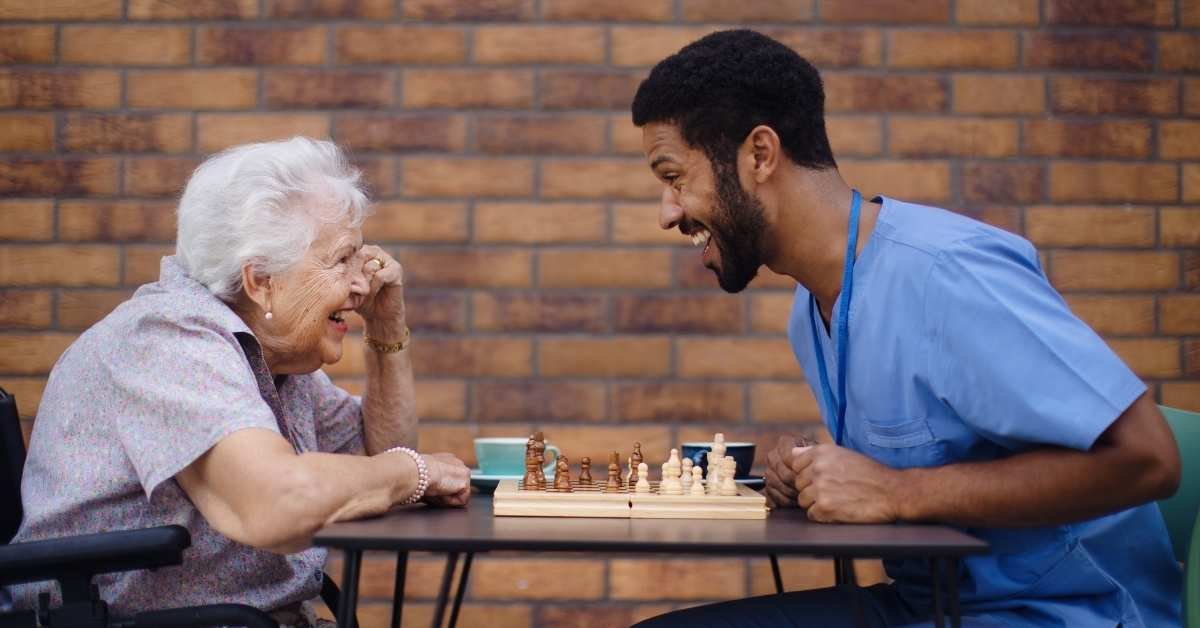
Meaningful Activities: Caregivers engage seniors in activities that align with their interests and passions. This might involve puzzles, reading, discussing current events, crafting, or reminiscence therapy (talking through cherished memories).
Physical Activity: Gentle exercise, such as supported walks or simple stretching, is a proven mood booster. Caregivers encourage and assist with physical activity tailored to the senior’s ability, supporting the strong link between physical and mental health.
The Pennsylvania Home Care Advantage
Choosing Pennsylvania Home Care means selecting a care model that prioritizes the whole person mind, body, and spirit. It’s an investment in your loved one’s happiness, self-respect, and overall quality of life. By providing companionship, fostering independence, and creating a stable, secure environment, home care is a fundamental pillar for promoting strong Mental Well-Being for Seniors.